.svg)
Visibility fails when accountability and decisions are unclear.
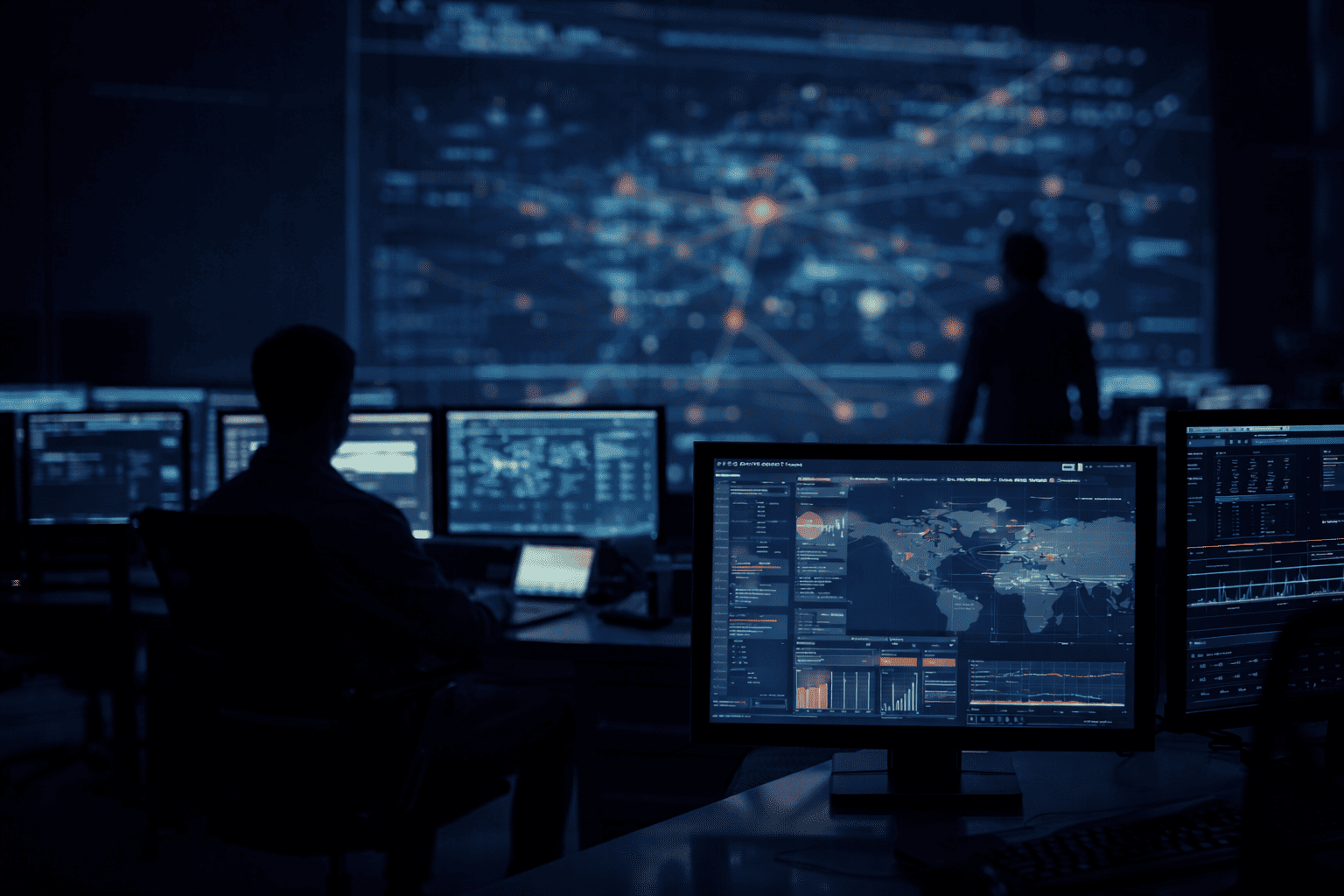
Over the last decade, supply chains have invested heavily in visibility. Control towers, dashboards, and real-time tracking platforms promise a single view of shipments, inventory, and exceptions across the network. For many organizations, this visibility is better than it has ever been.
And yet, outcomes often remain unchanged.
Delays still escalate late. Costs still creep up unnoticed. Customer impact is still discovered after the fact. The system can see everything, but it struggles to act on anything.
The root cause is not technology maturity. It is the absence of decision ownership.
Visibility Exposes Problems, It Does Not Resolve Them
Modern control towers are excellent at surfacing information. They show delays, risks, bottlenecks, and deviations from plan with impressive clarity. What they do not define is what should happen once a problem is visible.
When a shipment is delayed, who owns the decision to reroute it?
When inventory falls below threshold, who decides whether to expedite or wait?
When costs exceed plan, who has the authority to intervene?
In most organizations, the answer is unclear. Visibility highlights the issue, but responsibility remains distributed, informal, or ambiguous. The system raises a flag, and humans are expected to figure out the response.
This is where control towers quietly turn into observation towers.
The Illusion of Centralized Control
Many organizations assume that centralizing data automatically centralizes control. In reality, control does not emerge from data alone. It emerges from clear decision frameworks, defined escalation paths, and systems that support action.
Without these, centralized dashboards often create new problems. Teams see the same issue but interpret it differently. Multiple stakeholders assume someone else is handling it. Decisions slow down because everyone is informed, but no one is empowered.
Ironically, greater visibility can increase coordination overhead instead of reducing it.
Why Exceptions Still Live Outside the System
When decision ownership is unclear, exceptions escape the platform.
They move into email threads, spreadsheets, chat messages, and side conversations. Teams track issues manually because the system does not tell them who should act, what action is permitted, or how urgency should be determined.
Over time, the official system becomes a reporting layer, while the real supply chain runs on human memory and informal processes. Visibility exists, but execution happens elsewhere.
This is not a failure of adoption. It is a failure of design.
Decision Ownership Is a System Capability, Not an Org Chart Problem
Many companies try to solve this by redefining roles or adding process documents. While necessary, these efforts rarely scale. Supply chains operate too fast and too dynamically for static responsibility models.
Decision ownership needs to be embedded in the system itself.
The platform must understand which signals matter, which decisions they trigger, and who is responsible at each step. It must differentiate between what can be automated, what requires approval, and what needs escalation.
Without this, control towers remain dependent on tribal knowledge and individual experience.
From Visibility to Directed Action
The difference between a monitoring system and an operating system is simple. A monitoring system tells you what is happening. An operating system helps you decide what to do next.
Directed action requires more than alerts. It requires context, prioritization, and a clear path from signal to resolution. It requires systems that do not just surface exceptions, but actively manage them.
This is where orchestration becomes essential.
The Vectus Perspective
Vectus is built around the idea that visibility without ownership is incomplete. A supply chain platform must not only show what is happening, but also define how the organization should respond.
That means embedding decision logic, ownership, and escalation directly into the flow of execution. It means moving beyond dashboards toward systems that actively coordinate actions across planning, execution, and teams.
Control is not achieved by seeing more. It is achieved by deciding faster and acting consistently.
Until control towers evolve from visibility platforms into decision-aware systems, supply chains will continue to look informed while operating reactively.
